Unlocking the Deep Brain
Minimally invasive holographic endoscopes for neuroscience in motion

Funded by the European Union. Views and opinions expressed are however those of the authors only and do not necessarily reflect those of the European Union. Neither the European Union nor the granting authority can be held responsible for them.

About the Project
NEUROGATE is an innovation project developing the world’s most advanced holographic endoscopes — hair-thin optical tools that enable minimally invasive, high-resolution imaging of neuronal activity and structural connectivity at the subcellular scale in the living brain.
This novel tool aims to transform neuroscience by enabling chronic in-vivo monitoring of vitally important brain processes at the microscopic level in both healthy and diseased states, with broad applications in research and medicine in the future.
Technology
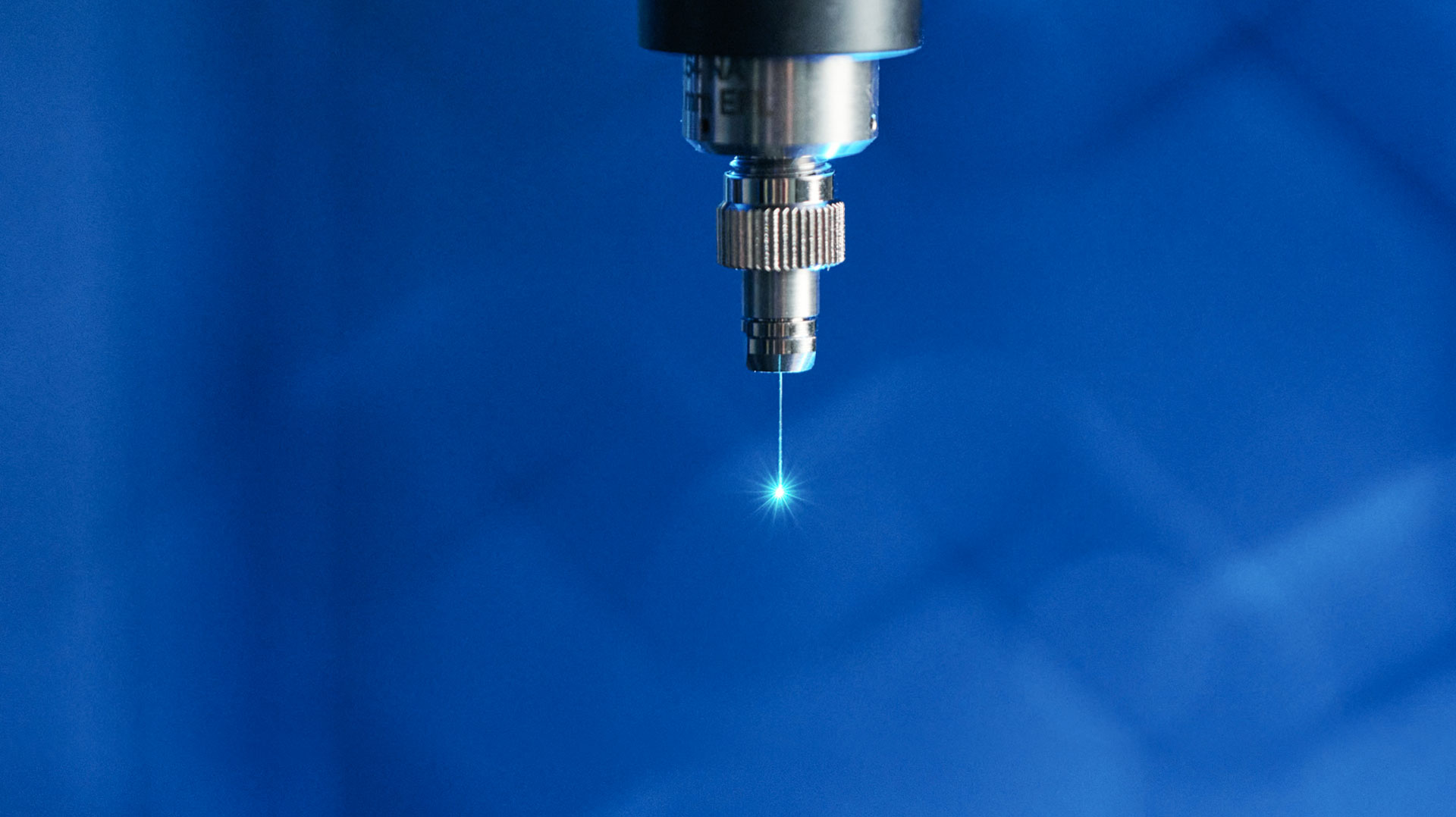
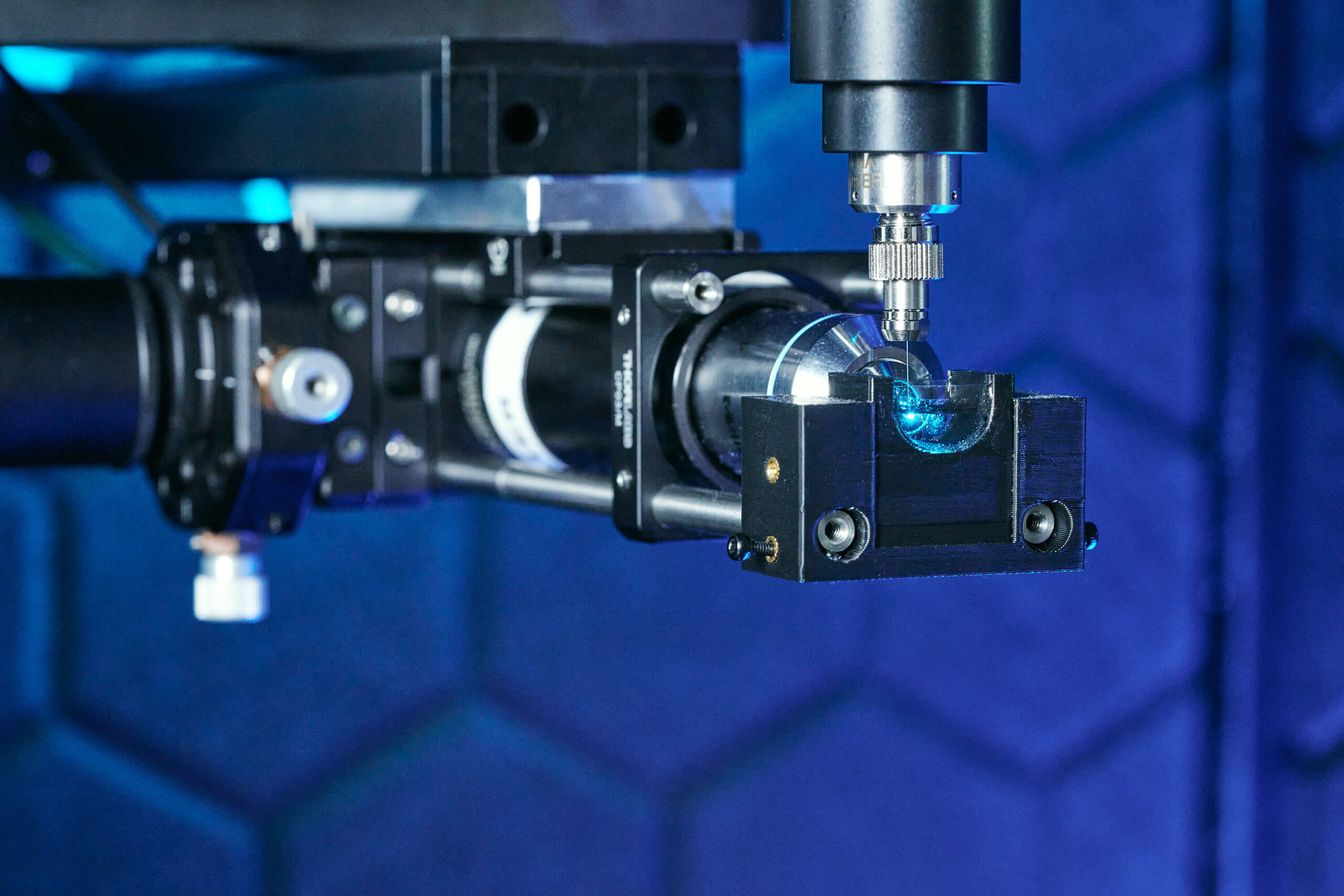
Holographic Endoscopy: Utilising precise modulation techniques and advanced algorithms to deliver light in a highly controlled manner through the complex media of a single multimode fibre, holographic endoscopes facilitates in-vivo imaging across any location within the brains of animal models, allowing for the monitoring of neuronal signalling and changes in structural connectivity at the subcellular level.
This technology can be utilised while the organism engages in sensory processing, cognition, and behaviour, as well as during the manifestation and progression of diseases. It represents a ground-breaking advancement that surpasses many of the limitations inherent in current state-of-the-art instruments. Unlike traditional optical systems, the holographic endoscope employs a hair-thin multimode optical fibre, which transports light in an immensely complex and seemingly random manner. Through methods of digital holography, this complex flow of light can be, however, experimentally quantified (calibrated) and subsequently controlled (shaped), effectively transforming the fibre into an ultra-thin, unprecedentedly long ‘magnifying glass’ capable of reaching any tissue depth without significantly compromising tissue integrity. The most advanced holographic endoscopes to date were developed under the EU funding and are currently undergoing commercial transfer through the incorporated spin-out venture DeepEn.
Approach
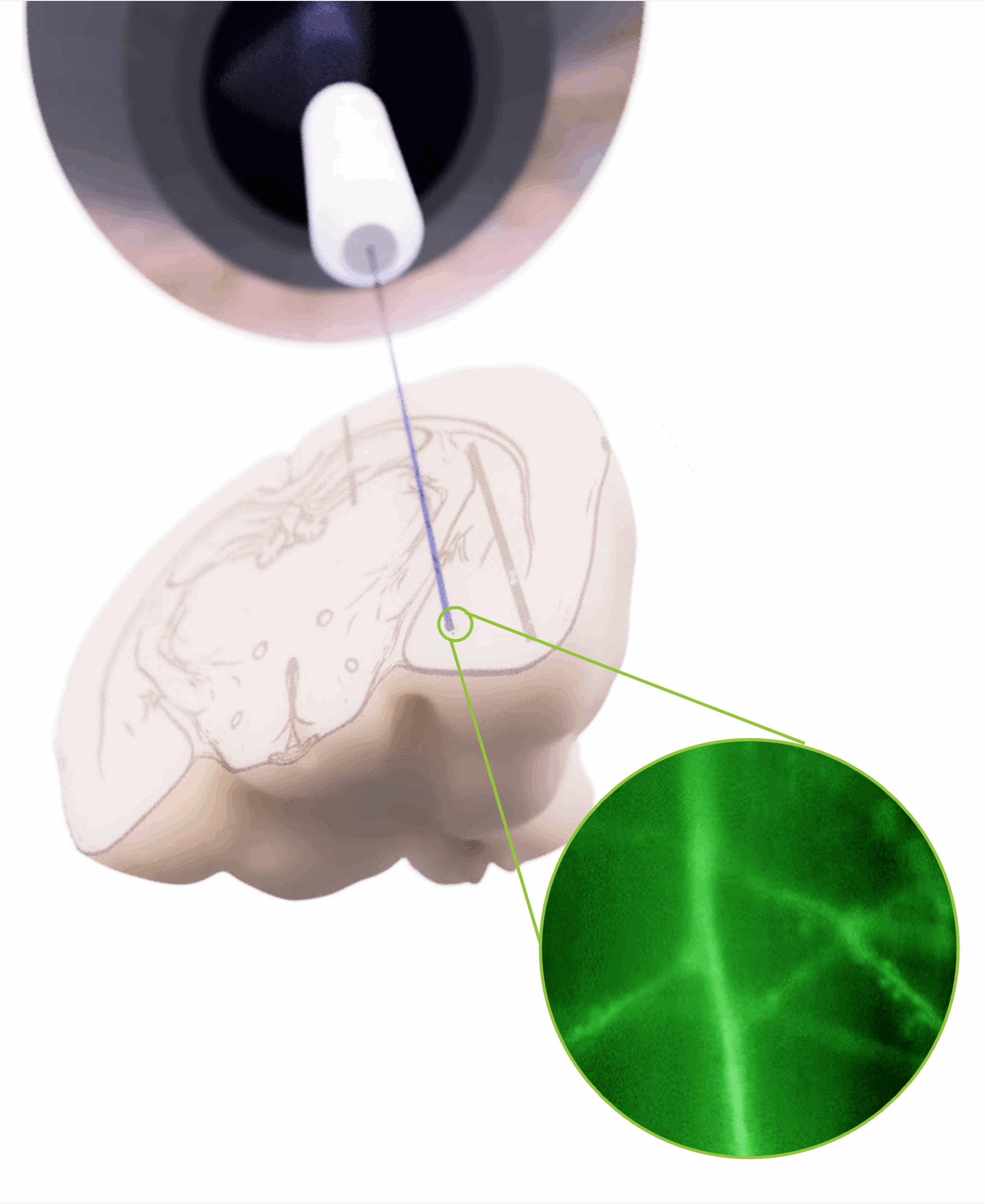
By combining academic research, technological innovation and business expertise, the NEUROGATE partnership seeks to push the boundaries of neuroimaging and make the holographic endoscope a widely available and transformative tool for neuroscience and beyond. With the successful execution of the proposed work, we aim to provide the neuroscience community with a new tool capable of chronic monitoring of structural connectivity and signalling activity across all brain regions in behaving animals, and their evolution in both health and disease.
The NEUROGATE consortium envisions transforming holographic endoscopes into powerful, minimally invasive tools for research and medical applications, with plans to make them globally available. By executing a strategic plan of action within technological and business development work packages, the consortium aims to maximise the impact of holographic endoscopy, with a particular focus on intellectual property creation, protection, and transfer.
Features

Neuronal signalling and
structural connectivity

Freely moving
animal models

Chronic Imaging of
extended time periods
Consortium
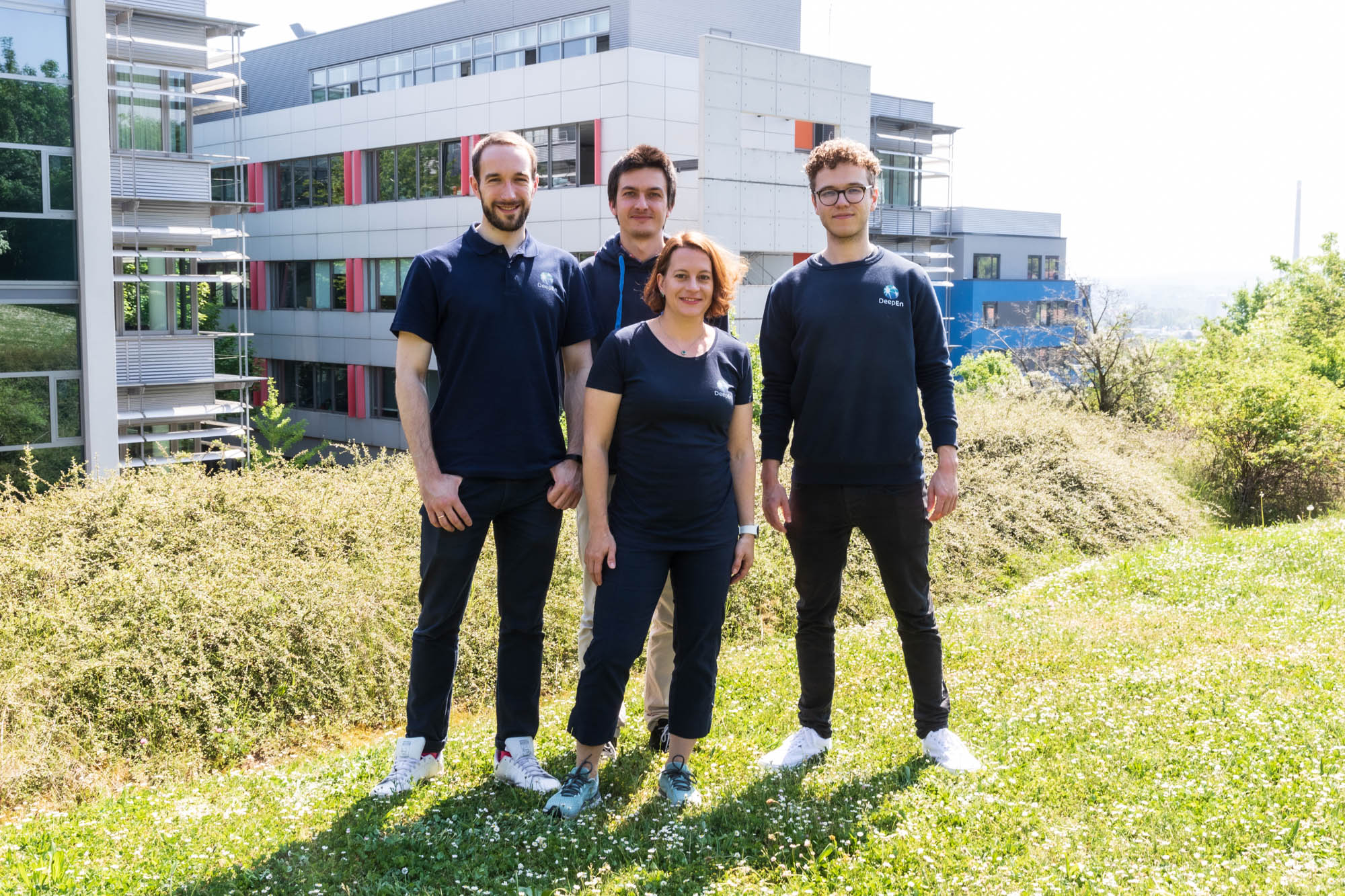
The consortium for the NEUROGATE combines world-leading expertise and a track record of significant achievements in holographic endoscopy and neuronal imaging.

LEIBNIZ-INSTITUT FUER PHOTONISCHE TECHNOLOGIEN E.V.
Albert Einstein Strasse 9, 07745 Jena, Germany
Type: Research Organisation
Website: www.leibniz-ipht.de

DeepEn GmbH
Hans-Knoell-Strasse 6, 07745 Jena
Type: SME
Website: www.deepen-imaging.com

USTAV PRISTROJOVE TECHNIKY AVCR VVI
KRALOVOPOLSKA 147, 612 00 BRNO
Type: Research Organisation
Website: www.isibrno.cz/en

VIB VZW
SUZANNE TASSIERSTRAAT 1, 9052 ZWIJNAARDE – GENT
Type: Research Organisation
Website: www.vib.be